How to improve blood flow naturally: an everyday Boostaro guide

Updated August 2026 · reviewed by the Boostaro Research Team. We are an independent information resource, not a medical provider, and this article is educational rather than medical advice.
To improve blood flow naturally, you support the everyday habits your blood vessels depend on: regular movement, good sleep, a nitrate- and flavonoid-rich diet, steady hydration, and calm. These are the levers that keep the nitric-oxide pathway working so vessels can relax and widen — and they cost nothing but consistency. A daily supplement such as Boostaro can sit neatly on top of that foundation, not in place of it.
How to improve blood flow naturally, in one place.
- Move daily
- Brisk walking, cycling or any activity that gets your heart rate up is the single most reliable circulation habit.
- Sleep & hydrate
- Seven to nine hours of sleep and enough water keep vessels responsive and blood flowing freely.
- Eat for your vessels
- Leafy greens, beetroot, berries, citrus and oily fish feed the nitric-oxide pathway and vessel lining.
- Where Boostaro fits
- It concentrates nutrients like L-citrulline that are hard to eat in research amounts — a daily complement, not a cure.
Circulation is the quiet system behind energy, warmth, focus and performance. The encouraging part is that the habits that support it are ordinary and within your control — and they pair naturally with the nutrients in Boostaro. Below is the practical, everyday playbook. We look at how to build male stamina naturally separately, if you want the longer version.
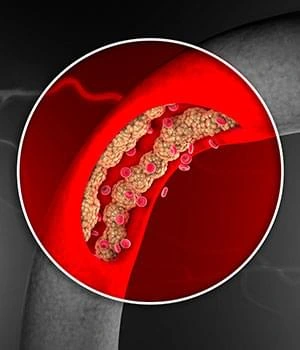
What does it actually mean to improve blood flow naturally?
Improving blood flow naturally means helping your blood vessels do their job of relaxing, widening and carrying blood efficiently, using lifestyle and nutrition rather than medication. The star player is nitric oxide, a short-lived molecule your vessel lining releases to signal the vessel walls to relax. Movement, certain foods and good sleep all nudge this pathway in a helpful direction, while smoking, chronic stress and a heavily processed diet work against it. It is about stacking small, repeatable choices that add up over weeks and months. The enzymes that produce it, and the conditions under which they work well or badly, are reviewed by Förstermann and Sessa, European Heart Journal (2012).
Why does nitric oxide matter so much?
Nitric oxide is the body’s own vasodilator, and keeping it flowing is the common thread behind almost every natural circulation habit. Your body makes it in two main ways: from the amino acid L-arginine (which L-citrulline recycles into) inside the vessel lining, and from dietary nitrate in leafy greens and beetroot by way of friendly mouth bacteria. That is why a plate of greens and a citrulline-rich routine point at the same target. For a deeper look at this molecule, see our nitric oxide and male vitality guide. A systematic review and meta-analysis by Siervo and colleagues, The Journal of Nutrition (2013) found that inorganic nitrate and beetroot juice modestly reduced blood pressure in adults.
How does movement improve circulation?
Regular movement is the most dependable natural way to support circulation, because working muscles demand more blood and repeated activity teaches the vessel lining to release nitric oxide more readily. You do not need to become an athlete. The research favours consistency over intensity: a brisk daily walk, a bike ride, swimming, or simply taking the stairs all count. Spend less of your day sitting and more moving.
What kind of exercise is best?
A mix of aerobic movement and light strength work covers the bases: aerobic activity keeps blood pumping and vessels flexible, while muscle work supports the pump that returns blood from your legs. If you sit for a living, the single highest-value habit is breaking up long stretches of sitting — stand, stretch or walk for a couple of minutes every half hour. Those micro-movements keep blood from pooling and keep the system responsive all day. Our guide to circulation in the legs and feet goes into this in more detail.
Why does sleep matter for blood flow?
Sleep is when your cardiovascular system does much of its repair and recovery, which makes it an underrated circulation tool. During deep sleep, blood pressure naturally dips and vessels get a genuine rest; chronically short or broken sleep is associated with less favourable vascular measures over time. Aiming for seven to nine hours of regular, good-quality sleep is one of the simplest ways to protect the system you are trying to support with everything else.
How can you sleep better for your vessels?
The basics do most of the work: a consistent bedtime, a cool and dark room, less screen light in the last hour, and easing off caffeine after early afternoon. Because your vessels wind down as you do, a calmer evening genuinely translates into better overnight recovery.

Which foods support healthy circulation?
The best foods for circulation are the ones that feed the nitric-oxide pathway and protect the vessel lining: nitrate-rich greens and beetroot, citrulline-rich watermelon, flavonoid-rich berries and citrus, and omega-3 fish. Whole foods beat juices as a foundation because they arrive with fibre, vitamins and antioxidants working together. For the full breakdown, read our guide to the best foods for blood flow and circulation; the short version is below.
| Habit or food | What it supports | Everyday example |
|---|---|---|
| Nitrate-rich greens & beetroot | Dietary nitrate → nitric oxide | Spinach, rocket, a beet-juice shot |
| Citrulline foods | Feeds nitric-oxide production | Watermelon, cucumber |
| Flavonoid foods | Antioxidant support for the vessel lining | Berries, citrus, dark chocolate |
| Omega-3 & healthy fats | Flexible vessel walls | Salmon, olive oil, walnuts |
| Hydration | Blood volume & easy flow | Water through the day |

How do nitric-oxide nutrients like those in Boostaro help?
A blood-flow supplement earns its place by concentrating nutrients that are genuinely hard to eat in research amounts, so it complements food rather than replacing it. Boostaro is built around L-citrulline, the amino acid that recycles into L-arginine to feed nitric-oxide production, alongside pine bark extract, vitamin C and CoQ10. You would need a great deal of watermelon to match the citrulline in a research dose, which is exactly the gap a two-capsule daily habit is designed to fill. To see how this ingredient works, read how L-citrulline supports healthy blood flow.
Used honestly, a supplement is the last brick, not the foundation. If you are not yet moving daily, sleeping well and eating for your vessels, those habits deserve your attention first — the evidence behind them is stronger and they cost nothing. Boostaro simply makes it easier to hit consistent amounts of these nutrients once the basics are in place.
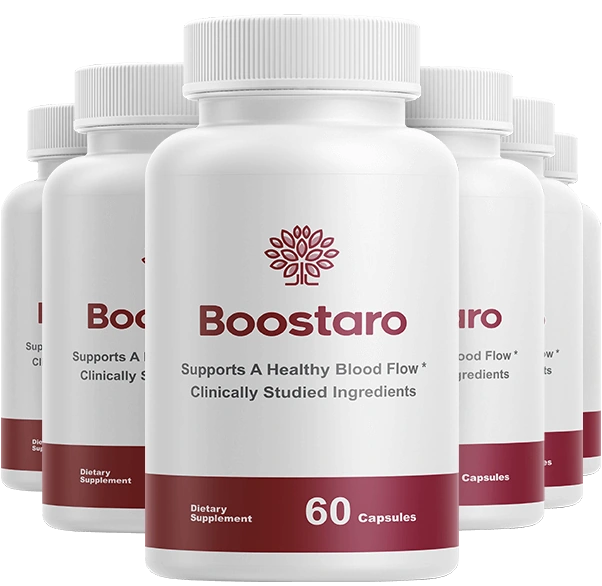
Make Boostaro your simple daily step
Boostaro concentrates L-citrulline, pine bark, vitamin C and CoQ10 into two daily capsules — an easy complement to movement, sleep and a whole-food diet. See the exact dose in Boostaro and today’s pricing; the six-bottle bundle is the best value at $49 per bottle, with free U.S. shipping and a 180-day guarantee.
Check today’s Boostaro pricing — from $49/bottleWhat does a simple daily plan look like?
The most effective circulation routine is an unremarkable one you actually repeat every day. You do not need a special program — just a steady rotation of movement, food, hydration and sleep, with your supplement as a fixed anchor. Here is what an easy day can look like.
| Time of day | Circulation habit | Why it helps |
|---|---|---|
| Morning | Ten-minute brisk walk & a glass of water | Gets blood moving and rehydrates after sleep |
| With breakfast | Berries, walnuts, and Boostaro with water | Flavonoids, healthy fats and concentrated citrulline |
| Midday | Big greens salad, oily fish, olive oil | Dietary nitrate and omega-3 for the vessel walls |
| Afternoon | Stand or stretch two minutes each half hour | Stops blood pooling during long sitting |
| Evening | Wind down, dim screens, consistent bedtime | Lets blood pressure dip and vessels recover |
What habits should you limit?
Adding good habits matters more than obsessing over bad ones, but a few things clearly work against healthy vessels: smoking and vaping, excess alcohol, ultra-processed foods, too much added sugar, trans fats and very high sodium. Smoking is the single most damaging habit for circulation, so if you do one thing on this list, make it that. Long, unbroken sitting and chronic stress belong here too. Balance these out and the positive habits above have room to work. In a controlled crossover study, Morishima and colleagues, Clinical Science (2017) showed that a few hours of uninterrupted sitting measurably reduced leg endothelial function, and that prior exercise or standing blunted the effect.

Beyond the prescription pad
It is tempting to think circulation is something you only address at the doctor’s office. Medical care matters — always seek it when you need it — but the everyday foundation is built in your habits: how you move, sleep, eat and unwind. These unglamorous levers do the heavy lifting, at no extra cost. A supplement like Boostaro is a small, optional addition on top — not a treatment, and never a reason to skip the basics.
Frequently asked questions
How can I improve blood flow naturally?
You can improve blood flow naturally by moving your body most days, sleeping well, eating nitrate- and flavonoid-rich foods, staying hydrated, managing stress and not smoking. These habits support the nitric-oxide pathway that helps blood vessels relax and widen. A supplement like Boostaro can add concentrated nutrients such as L-citrulline on top of that foundation.
Does exercise really boost circulation?
Yes. Regular movement is one of the most reliable ways to support circulation, because working muscles increase blood flow and repeated activity encourages the vessel lining to release more nitric oxide over time. Even brisk walking counts, and consistency matters more than intensity.
How does sleep affect blood flow?
Sleep is when your cardiovascular system does much of its recovery, and poor or short sleep is associated with less favourable vascular health. Aiming for seven to nine hours of regular, good-quality sleep gives your blood vessels the downtime they need to stay responsive.
What is the fastest natural way to improve circulation?
There is no instant fix, but the quickest wins are usually movement and hydration: a brisk ten-minute walk and a glass of water get blood moving right away. Lasting improvement comes from repeating good habits consistently over weeks and months, not from any single session.
Can Boostaro improve blood flow on its own?
No single product replaces healthy habits. Boostaro is a dietary supplement that supplies nutrients such as L-citrulline, pine bark extract, vitamin C and CoQ10 that are associated with the nitric-oxide pathway. It is designed to complement movement, sleep and a good diet, not to substitute for them or to treat any condition.
When should I see a doctor about poor circulation?
See a doctor if you have persistent cold or numb hands and feet, leg pain when walking, swelling, skin colour changes, or any symptom that concerns you. Natural habits and supplements support general wellness but are not a treatment, and circulation problems can have medical causes that need proper evaluation.
See the exact dose in Boostaro →
Boostaro is a dietary supplement, not a treatment for any medical condition. These statements have not been evaluated by the Food and Drug Administration. This product is not intended to diagnose, treat, cure or prevent any disease. Always consult a qualified healthcare professional about your individual needs.
References & further reading
- National Center for Complementary and Integrative Health (NCCIH). Dietary and Herbal Supplements. nccih.nih.gov/health/dietary-and-herbal-supplements
- National Heart, Lung, and Blood Institute (NIH). Physical Activity and Your Heart. nhlbi.nih.gov/health/heart/physical-activity
- Mayo Clinic. Exercise: 7 benefits of regular physical activity. mayoclinic.org/healthy-lifestyle/fitness/in-depth/exercise/art-20048389
- Examine.com. Citrulline — evidence-based summary. examine.com/supplements/citrulline
- Siervo M, et al. Inorganic nitrate and beetroot juice supplementation reduces blood pressure in adults: a systematic review and meta-analysis. J Nutr. 2013. pubmed.ncbi.nlm.nih.gov/23596162
- Ashor AW, et al. Medium-term effects of dietary nitrate supplementation on systolic and diastolic blood pressure in adults: a systematic review and meta-analysis. J Hypertens. 2017. pubmed.ncbi.nlm.nih.gov/28319596
- National Institutes of Health, Office of Dietary Supplements. Vitamin C — Fact Sheet for Health Professionals. ods.od.nih.gov/factsheets/VitaminC-HealthProfessional
These references describe the habits and ingredients in general terms and do not constitute evidence that any product treats, cures or prevents any condition.
Keep reading: best foods for blood flow and circulation · how L-citrulline supports healthy blood flow · back to the Boostaro blog · homepage.