How to improve circulation in legs and feet: the Boostaro guide
Updated August 2026 · reviewed by the Boostaro Research Team. We are an independent information resource, not a medical provider, and this article is educational rather than medical advice.
To improve circulation in your legs and feet, the most reliable steps are to move often, keep the legs and feet warm, elevate them when you rest, avoid smoking, and eat a diet that supports the nitric-oxide pathway your blood vessels use to relax and widen. Cold feet and heavy legs are usually a signal that less warm blood is reaching the extremities — and that signal responds well to consistent daily habits, with nutrient support like Boostaro as an optional layer on top.
How to improve circulation in legs and feet, in one place.
- Move the calf pump
- Walk daily and break up long sitting; the calf muscles pump blood back toward the heart.
- Warmth & elevation
- Keep the feet warm and raise the legs when resting to ease pooling and cold feet.
- Feed the vessels
- Nitrate-rich vegetables, antioxidants and no smoking help the lining make nitric oxide.
- Optional support
- Nutrients like L-citrulline, pine bark and CoQ10 support the same vasodilation pathway.
Poor circulation in the extremities is one of the most common everyday complaints: chronically cold feet, legs that feel heavy by evening, or toes that take a long time to warm up. This guide covers why it happens and, more usefully, the practical, evidence-led steps that actually help — from movement and warmth to the vascular nutrients in a formula like Boostaro.
Why do legs and feet get poor circulation first?
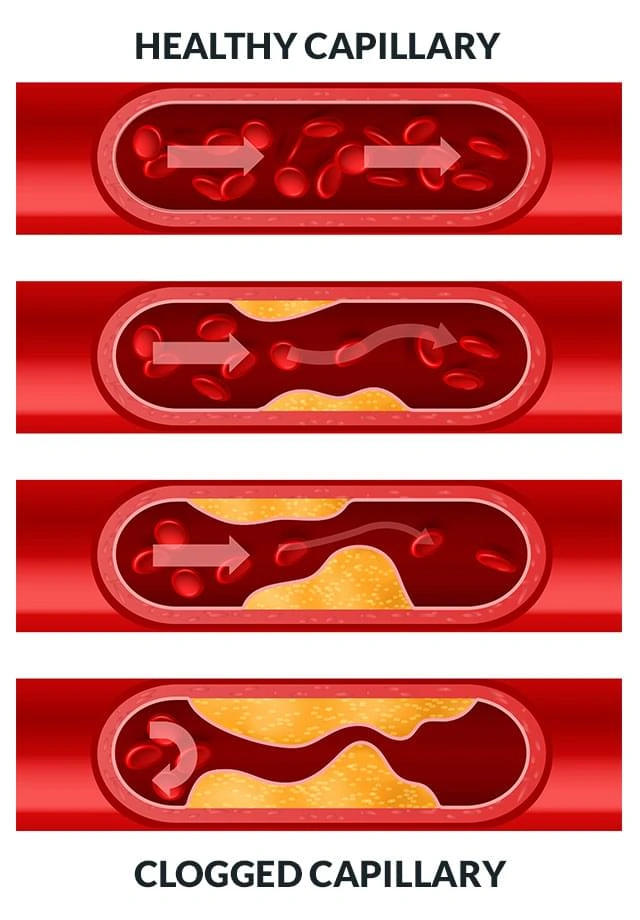
The legs and feet are the first place reduced circulation shows up because they are farthest from the heart and work against gravity all day. Any drop in vascular tone, muscle activity or vessel responsiveness is felt in the extremities before anywhere else. Cold feet, in particular, are the body narrowing surface vessels to preserve core heat — helpful in a snowstorm, frustrating at a desk.
Several everyday factors stack up: long hours sitting, cold rooms, stress, smoking, and the gradual decline in nitric-oxide production that comes with age. None is a disease on its own, but together they mean less warm blood reaching the toes. The good news is that the same list, reversed, is your to-do list.
Does moving really help leg blood flow?
Movement is the single most effective way to improve leg blood flow, because your calf muscles act as a second heart. Every time you walk or rise onto your toes, the calf squeezes the deep veins and pushes blood back toward the heart — the calf muscle pump. Sit still for hours and that pump goes quiet, letting blood pool in the lower legs and leaving the feet cold.
You do not need a gym to switch it back on. A brisk daily walk, standing and moving every half hour, and simple calf raises at your desk all keep the pump working. Over weeks, regular activity also trains the vessel lining to produce more nitric oxide, so the benefit compounds. In a controlled crossover study, Morishima and colleagues, Clinical Science (2017) showed that uninterrupted sitting reduced leg endothelial function, and that standing or prior exercise blunted that effect.
| Habit | How it helps circulation | Easy target |
|---|---|---|
| Daily walking | Works the calf pump; trains nitric-oxide output | 20–30 minutes most days |
| Break up sitting | Restarts the pump before blood pools | Move 2–3 min every 30–45 min |
| Calf raises | Direct calf-pump activation at a desk | 2–3 sets of 15, a few times a day |
| Leg elevation | Lets pooled blood drain back with gravity | 10–15 minutes, legs above hip |
| Warmth | Reverses cold-driven vessel narrowing | Warm socks; warm foot soak |
How do warmth and elevation ease cold feet circulation?
Warmth and elevation are the fastest levers for cold feet circulation because they act on the two things making the feet cold: narrowed surface vessels and pooled blood. Gentle warmth — warm socks, a warm foot soak, or a heated room — signals surface vessels to open again, so blood flows back to the toes. This is why cold feet warm within minutes of a hot bath even though nothing about your underlying vessels has changed.
Elevation tackles the pooling side. Raising your legs above hip height for ten to fifteen minutes lets gravity drain blood that has settled after a long day, easing the heavy, swollen feeling. Done together in the evening — warm feet, legs up — the two habits are a low-effort reset for tired extremities.

Which foods support circulation to the extremities?
The foods that best support circulation to the extremities are those that feed the nitric-oxide pathway and protect the vessel lining. Leafy greens and beetroot are rich in dietary nitrate, which the body can convert toward nitric oxide; citrus and berries supply vitamin C and polyphenols that help protect nitric oxide from being degraded; and oily fish, nuts and olive oil support the endothelium more broadly. The pattern matters more than any single “superfood.” On the dietary side, Siervo and colleagues, The Journal of Nutrition (2013) pooled trials of inorganic nitrate and beetroot juice and blood pressure in adults.
We cover this in depth in our guide to the best foods for blood flow and circulation, but the headline is simple: a diet built around vegetables, fruit, whole grains, fish and healthy fats keeps vessels responsive, while heavily processed, high-salt eating works against them.
Support the same pathway daily
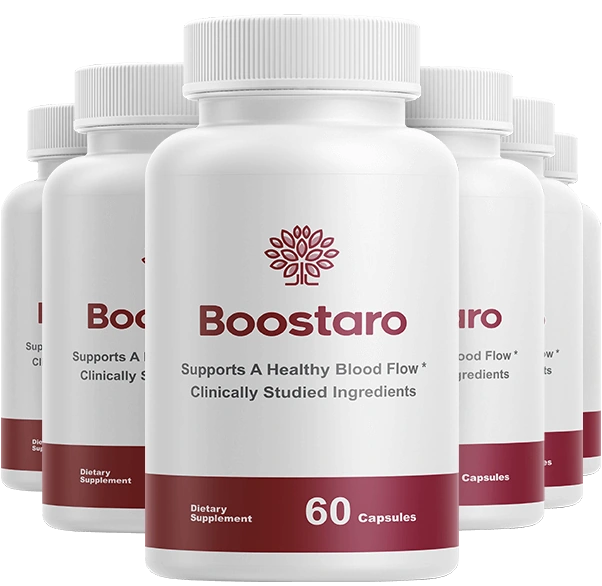
Boostaro is a twice-daily capsule built around L-citrulline, with pine bark, vitamin C and CoQ10 — the nutrients this guide keeps coming back to. See the exact dose in Boostaro and the best-value six-bottle bundle at $49 per bottle, with free U.S. shipping and a 180-day guarantee.
Check today’s Boostaro pricing — from $49/bottleWhere do vascular nutrients like L-citrulline fit in?
Vascular nutrients fit in as a support layer for the nitric-oxide pathway once movement, warmth and diet are in place. The best-studied is L-citrulline, an amino acid the body converts to L-arginine and then uses to make nitric oxide, the molecule that signals vessels to relax and widen. Because much of an oral L-arginine dose is broken down before it reaches the blood, citrulline is often the more efficient route to the same goal — the reasoning we unpack in how L-citrulline supports healthy blood flow.
Citrulline is rarely used alone. Nitric oxide is short-lived and easily degraded by oxidative stress, so antioxidants such as pine bark extract and vitamin C help protect it, while CoQ10 and magnesium support the energy and muscle tone behind healthy vessels. That small team of nutrients is how Boostaro’s formula is built — several angles on one pathway, taken as two capsules a day.
| Nutrient | Role in the pathway | Common food source |
|---|---|---|
| L-citrulline | Converted to arginine, then nitric oxide | Watermelon |
| Pine bark extract | Antioxidant support for the vessel lining | Maritime pine (supplement) |
| Vitamin C | Helps protect nitric oxide from breakdown | Citrus, peppers, berries |
| CoQ10 | Supports cellular energy in vessel tissue | Organ meats, oily fish |
| Magnesium | Supports healthy vascular muscle tone | Greens, nuts, whole grains |
These nutrients are not drugs and not a treatment for any circulatory condition; they support a pathway your body already uses, gradually, as part of a healthy lifestyle. For how that pathway underpins everyday energy, see our nitric oxide and male vitality guide.
What is a realistic weekly plan?
A realistic weekly plan layers small, repeatable habits rather than one dramatic change: keep the calf pump busy, the feet warm, the diet vessel-friendly, and — if you choose — the nitric-oxide pathway topped up. Consistency beats intensity: circulation responds to what you do most days, not the occasional big effort.

A simple daily rhythm
Start with a short morning walk, stand and move for a couple of minutes each half hour through the day, do a set or two of calf raises when you remember, and finish the evening with warm feet and ten minutes of legs-up. Build meals around vegetables, fruit, fish and whole grains, and if you use a supplement, take it at the same time each day so the pathway gets steady support rather than an occasional spike.
What about smoking and alcohol?
Smoking is uniquely damaging to circulation because it constricts vessels and injures the endothelium directly, so stopping is one of the highest-impact steps for anyone with cold, poorly supplied extremities. Heavy alcohol works against you too; moderate, occasional drinking is far less of a concern than daily excess. If you change nothing else, not smoking does more for your legs and feet than any supplement can.
When should poor circulation see a doctor?
Poor circulation needs medical assessment — not just lifestyle support — when the signs point beyond ordinary cold feet. See a doctor if you have leg pain when walking that eases with rest (claudication), persistent numbness, non-healing sores on the feet, skin colour changes, or cold that affects only one limb. These can indicate peripheral artery disease, diabetes-related changes, or another condition that deserves proper evaluation. In people with symptomatic peripheral arterial disease, a Cochrane review by Cucato and colleagues, Cochrane Database of Systematic Reviews (2024) assessed exercise therapy added to vascular intervention.
Everything on this page is about supporting healthy circulation in generally healthy adults. It is not a substitute for medical care, and if you take blood-pressure medication, nitrates, or medication for erectile function, speak with your doctor before adding nutrients that influence blood vessels. We look at supporting erectile health naturally separately, if you want the longer version.
Frequently asked questions
Why are my feet always cold?
Cold feet are often a sign that less warm blood is reaching the extremities. Because the feet are farthest from the heart and easily narrowed by cold, stress or long sitting, they are usually the first place reduced circulation shows up. Persistent, one-sided or painful cold feet should be checked by a doctor.
How can I improve circulation in my legs and feet naturally?
The most reliable natural steps are moving often, walking daily, elevating the legs, staying warm, not smoking and eating a diet rich in nitrate and antioxidant foods. Some people also support the nitric-oxide pathway with nutrients such as L-citrulline, which the body uses to help blood vessels relax and widen.
Does walking help circulation in the legs?
Yes. Walking is one of the best things you can do for leg blood flow. The rhythmic squeeze of the calf muscles acts as a pump that pushes blood back toward the heart, and regular activity helps the vessel lining produce more nitric oxide over time.
What nutrients support blood flow to the extremities?
Nutrients studied for the nitric-oxide pathway and vessel health include L-citrulline, pine bark extract, vitamin C, CoQ10 and magnesium. These support the pathway your vessels already use to relax and widen; they are a complement to movement and diet, not a replacement for medical care.
How long does it take to improve circulation?
Warmth from a single walk or warm bath is immediate, but lasting change in how well your legs and feet are supplied builds over weeks of consistent habits. Most people who add daily movement, better food and steady nutrient support judge the difference over roughly one to two months.
When should poor circulation in the feet see a doctor?
See a doctor if you have leg pain when walking that eases with rest, numbness, non-healing sores, colour changes, or cold that affects only one limb. These can signal peripheral artery disease or another condition that needs medical assessment rather than lifestyle support alone. Our guide to the everyday signs of poor blood flow in men goes into this in more detail.
See the exact dose in Boostaro — try it risk-free for 180 days →
Boostaro is a dietary supplement, not a treatment for any medical condition. These statements have not been evaluated by the Food and Drug Administration. This product is not intended to diagnose, treat, cure or prevent any disease. Always consult a qualified healthcare professional about your individual needs.
References & further reading
- National Heart, Lung, and Blood Institute (NIH). Peripheral Artery Disease. nhlbi.nih.gov/health/peripheral-artery-disease
- Mayo Clinic. Peripheral artery disease (PAD) — Symptoms and causes. mayoclinic.org/diseases-conditions/peripheral-artery-disease
- Examine.com. Citrulline — evidence-based summary. examine.com/supplements/citrulline
- National Center for Complementary and Integrative Health (NCCIH). Coenzyme Q10. nccih.nih.gov/health/coenzyme-q10
- Morishima T, et al. Prior exercise and standing as strategies to circumvent sitting-induced leg endothelial dysfunction. Clin Sci (Lond). 2017. pubmed.ncbi.nlm.nih.gov/28385735
- Cucato G, et al. Effects of additional exercise therapy after a successful vascular intervention for people with symptomatic peripheral arterial disease. Cochrane Database Syst Rev. 2024. pubmed.ncbi.nlm.nih.gov/38695785
These references describe circulation and the ingredients in general terms and do not constitute evidence that any product treats, cures or prevents any condition.
Keep reading: the best foods for blood flow and circulation · how L-citrulline supports healthy blood flow · back to the Boostaro blog · the Boostaro review.