Magnesium for men’s vitality and energy: the Boostaro guide

Updated August 2026 · reviewed by the Boostaro Research Team. We are an independent information resource, not a medical provider, and this article is educational rather than medical advice.
Magnesium is the quietly essential mineral behind two things every man cares about — steady energy and muscles that work the way they should. It is a required partner for the enzymes that make and spend ATP, the cell’s energy currency, and it helps regulate how muscle fibres, including those lining your blood vessels, contract and relax. That combination is exactly why magnesium sits inside Boostaro alongside its circulation-focused ingredients.
Magnesium for men, in one place.
- What it is
- An essential dietary mineral and a cofactor for more than 300 enzyme systems in the body.
- Energy role
- ATP is biologically active only bound to magnesium, so the mineral is central to energy-yielding metabolism.
- Muscle role
- It partners with calcium to support normal muscle contraction and, importantly, relaxation.
- Vascular tone
- Magnesium helps regulate vessel-wall smooth muscle, so it is relevant to healthy vascular tone.
- Daily target
- Roughly 400–420 mg a day for adult men — and many fall short.
If you scan the label on Boostaro or most serious men’s-health formulas, magnesium is almost always there. This guide explains why in plain language: what it does inside a working muscle cell, how it powers energy metabolism, where it fits with blood flow, how much men really need, and how food and a supplement work together.

What does magnesium actually do in the body?
Magnesium is an essential mineral that acts as a cofactor for more than 300 enzyme systems, meaning those reactions cannot run properly without it. Roughly half of the body’s magnesium sits in bone, and most of the rest lives inside soft tissue and muscle, with only about one per cent in the blood — which is part of why a routine blood test can look normal even when tissue stores are running low.
Those enzyme systems cover an enormous amount of ground — protein building, blood-sugar handling, nerve signalling, blood-pressure regulation and, most relevant here, the production and use of cellular energy. When men talk about wanting more “get-up-and-go,” they are usually describing systems that quietly depend on magnesium.
How does magnesium support energy metabolism?
Magnesium is central to energy-yielding metabolism because ATP — the molecule your cells spend as fuel — is biologically active almost exclusively when it is bound to magnesium as Mg-ATP. Every time a cell releases energy by breaking ATP down, magnesium is at the table. Without enough of it, the enzymes that generate and transfer that energy simply do not run at full efficiency. de Baaij, Hoenderop and Bindels, Physiological Reviews (2015) is the standard physiological review of magnesium in humans, including its role as a cofactor in ATP-dependent reactions.
This is why low magnesium status is so often described alongside tiredness and reduced exercise tolerance. Magnesium is not a stimulant and will not give you a caffeine-style lift; instead, adequate magnesium simply lets your existing energy machinery do its job. For an active man, that background efficiency can be the difference between finishing a workout strong and fading halfway through.

Why is magnesium so important for muscle function?
Magnesium supports normal muscle function by acting as calcium’s natural counterweight during every contraction. Calcium flooding into a muscle cell is the signal to contract; magnesium helps manage the channels and the relaxation phase that follows, so the fibre can release and reset. In simple terms, calcium is the accelerator and magnesium helps with the brake.
When that balance tips because magnesium is low, muscles can become more excitable — which is the everyday explanation many people give for cramps, twitchy eyelids or a restless, tight feeling in the legs at night. Getting enough magnesium supports the smooth contract-and-relax cycle that healthy movement, recovery and stamina all depend on. That same smooth-muscle principle extends to the vessels that carry your blood, which is where the circulation story begins. A systematic review by Heffernan and colleagues, Nutrients (2019) assessed mineral supplementation, magnesium included, in exercise and athletic performance.
| System | Magnesium’s role | Why it matters for men |
|---|---|---|
| Energy metabolism | Activates ATP as Mg-ATP | Underpins everyday stamina and workout endurance |
| Skeletal muscle | Balances calcium; supports relaxation | Smoother contraction and recovery; fewer cramps |
| Vascular smooth muscle | Helps regulate vessel tone | Relevant to healthy blood flow and vascular tone |
| Nervous system | Steadies nerve signalling | Supports calm, sleep quality and stress resilience |
| Bone & structure | Stored in and supports bone | Long-term structural health as men age |
See the exact dose of magnesium in Boostaro →
How does magnesium relate to blood flow and vascular tone?
Magnesium helps regulate vascular tone by influencing the smooth muscle wrapped around your arteries, the same contract-and-relax machinery it manages in skeletal muscle. When that muscle relaxes appropriately, vessels can widen and blood moves more freely; magnesium also supports the healthy function of the endothelium, the thin lining that produces nitric oxide. That is the direct connection between a mineral known for muscles and a formula built around blood flow.
This makes magnesium a natural teammate for the nitric-oxide ingredients men look for. Our companion guide on how L-citrulline supports healthy blood flow covers that pathway, and our overview of nitric oxide and male vitality shows how these nutrients fit together. Magnesium is not a stand-in for those ingredients; it is the supporting nutrient that helps the underlying muscle and energy systems work well. It is best framed as one part of a circulation-friendly lifestyle, not a treatment for any cardiovascular condition. A systematic review and meta-analysis of randomised controlled trials by Argeros and colleagues, Hypertension (2025) examined magnesium supplementation and blood pressure.
How much magnesium do men actually need?
The recommended dietary allowance of magnesium for adult men is roughly 400 to 420 milligrams per day from food and supplements combined, with the higher figure for men over 30. That sounds easy to hit, yet national surveys consistently show a large share of adults taking in less than the recommended amount, largely because refined and processed foods lose much of their magnesium.
Certain patterns push intake lower or needs higher: heavy training and sweating, high alcohol use, older age, and some digestive and metabolic conditions. None of this is cause for alarm, but it does explain why magnesium is a sensible nutrient to be deliberate about — and why it earns a place in a men’s daily formula rather than being left to chance. We look at the vitamins that matter most for men over 50 separately, if you want the longer version.
| Food | Approx. magnesium per serving | Notes |
|---|---|---|
| Pumpkin seeds (1 oz) | ~150 mg | One of the densest everyday sources |
| Almonds (1 oz) | ~80 mg | Portable, pairs well with fruit |
| Cooked spinach (½ cup) | ~78 mg | Dark leafy greens are reliable |
| Black beans (½ cup) | ~60 mg | Fibre plus plant protein |
| Dark chocolate (1 oz, 70%+) | ~65 mg | A genuinely useful treat |
Food should always come first, and building meals around seeds, nuts, greens, beans and whole grains is the most durable way to keep magnesium topped up. A supplement is simply insurance for the days those foods do not make it onto your plate.

Which form of magnesium is best?
The best form of magnesium is the one your body absorbs well and your stomach tolerates, and that usually means a chelated or organic-acid form rather than the cheapest option. Magnesium glycinate, citrate and malate are generally well absorbed and gentle, while magnesium oxide packs a lot of elemental magnesium per pill but is poorly absorbed and more likely to loosen the stool.
This matters because a label number is not the same as what actually reaches your cells. A smaller dose of a well-absorbed form can do more than a larger dose of a poorly-absorbed one. When magnesium appears inside a considered formula such as Boostaro, it is chosen to complement the other ingredients and to be taken comfortably every day, which is the whole point of a twice-daily capsule.
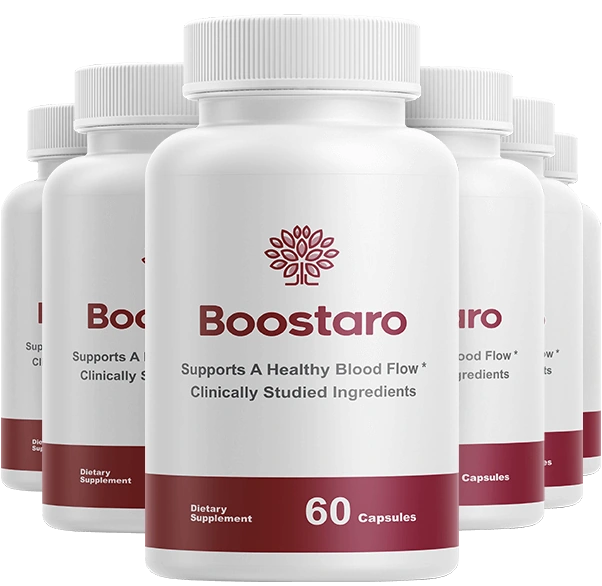
Give the pathway daily support
Boostaro is a twice-daily capsule that pairs magnesium with L-citrulline, pine bark, vitamin C and CoQ10, so muscle, energy and circulation are supported together. The six-bottle bundle is the best value at $49 per bottle, with free U.S. shipping and a 180-day guarantee.
Check today’s Boostaro pricing — from $49/bottleCan magnesium help with sleep, stress and recovery?
Magnesium supports the nervous-system side of vitality by helping to steady nerve signalling and the body’s stress response, which is why many men notice it most around sleep and recovery. It plays a role in regulating the same excitability that governs muscle tension, so adequate magnesium is associated with a calmer wind-down at night rather than a sedative “knock-out” effect.
Better sleep and lower everyday tension are not side issues for male vitality — they sit upstream of energy, mood, recovery and even healthy circulation. Supporting magnesium status is one modest, evidence-led lever that touches all of them at once.

Where does magnesium fit inside Boostaro?
Inside Boostaro, magnesium is a supporting nutrient that helps the muscle, energy and vascular systems work smoothly while the blood-flow ingredients do their more visible work. Boostaro is built around L-citrulline for the nitric-oxide pathway, with pine bark and vitamin C as antioxidants and CoQ10 for cellular energy; magnesium rounds that out by underpinning the energy metabolism and muscle relaxation those benefits ultimately rely on. Our guide to vitamin C and healthy blood vessels goes into this in more detail.
The philosophy is a small, coordinated team of nutrients supporting one shared goal — healthy blood flow and everyday male vitality — rather than a mega-dose of any single thing. You can see how the full Boostaro formula is assembled on the main product page.
When should you talk to a doctor?
Magnesium from food is extremely safe, and supplemental magnesium is generally well tolerated within the amounts on a product label. The most common effect of taking too much at once is loose stools. Because the kidneys clear excess magnesium, men with reduced kidney function should not supplement without medical guidance, and magnesium can interact with certain antibiotics, bisphosphonates and diuretics. If you take regular medication or have a health condition, check with your doctor before adding a magnesium supplement. It is intended for adults and is a support to a healthy lifestyle, not a treatment for any medical condition.
Frequently asked questions
Why does magnesium matter for men's energy?
Magnesium is a required cofactor for the enzymes that make and use ATP, the molecule your cells spend as energy. Because ATP is biologically active only when bound to magnesium, the mineral sits at the centre of energy-yielding metabolism, which is why low intake is often linked with tiredness.
How does magnesium support muscle function?
Magnesium works alongside calcium to control how muscle fibres contract and relax. Calcium drives contraction and magnesium supports the relaxation phase, so adequate magnesium contributes to normal muscle function and can ease the twitchiness some men notice when intake is low.
Can magnesium affect blood flow and vascular tone?
Magnesium helps regulate the tone of the smooth muscle in blood-vessel walls and supports healthy endothelial function, so it is relevant to vascular tone. It is best seen as one supporting nutrient in a circulation-friendly diet, not a treatment for any cardiovascular condition.
How much magnesium do men need each day?
The U.S. recommended dietary allowance for adult men is roughly 400 to 420 milligrams per day from food and supplements combined. Many men fall short, which is one reason magnesium appears in well-formulated men's health supplements.
What form of magnesium is best?
Chelated and organic-acid forms such as magnesium glycinate, citrate and malate are generally well absorbed and gentle, while magnesium oxide is cheaper but less bioavailable. The right form depends on the product and your tolerance, so follow the label and speak with your doctor.
Is magnesium safe to take every day?
Magnesium from food is very safe, and supplemental magnesium is generally well tolerated within label amounts. High doses can cause loose stools, and men with kidney disease or on certain medications should speak with a doctor first. It is intended for adults.
Try Boostaro risk-free for 180 days →
Boostaro is a dietary supplement, not a treatment for any medical condition. These statements have not been evaluated by the Food and Drug Administration. This product is not intended to diagnose, treat, cure or prevent any disease. Always consult a qualified healthcare professional about your individual needs.
References & further reading
- National Institutes of Health, Office of Dietary Supplements. Magnesium — Fact Sheet for Health Professionals. ods.od.nih.gov/factsheets/Magnesium-HealthProfessional
- National Center for Complementary and Integrative Health (NCCIH). Magnesium. nccih.nih.gov/health/magnesium
- Examine.com. Magnesium — evidence-based summary. examine.com/supplements/magnesium
- de Baaij JH, Hoenderop JG, Bindels RJ. Magnesium in man: implications for health and disease. Physiol Rev. 2015. pubmed.ncbi.nlm.nih.gov/25540137
- Argeros Z, et al. Magnesium Supplementation and Blood Pressure: A Systematic Review and Meta-Analysis of Randomized Controlled Trials. Hypertension. 2025. pubmed.ncbi.nlm.nih.gov/41000008
- Mayo Clinic. Magnesium supplement (oral route) — description and uses. mayoclinic.org/drugs-supplements/magnesium-supplement-oral-route
These references describe magnesium in general terms and do not constitute evidence that any product treats, cures or prevents any condition.
Keep reading: how L-citrulline supports healthy blood flow · nitric oxide and male vitality · best foods for blood flow · back to the Boostaro blog · homepage.